Short answer
A test drive tells you how a car feels today. A pre-purchase inspection tells you what it is likely to cost you next. Combined with a $2 PPSR search, it is the best protection you can buy before a used car.
Gear 1
Why a test drive is not enough
Fifteen minutes on familiar roads will not show you an oil leak, worn suspension bushes, hidden accident repairs or stored fault codes. Warning lights can also be cleared shortly before a sale, and a warm engine can hide a problem a cold start would reveal.
A roadworthy does not fill that gap either. It checks safety items, not the overall mechanical health of the car.
Gear 2
Run the PPSR search first
Before you spend money on an inspection, run a PPSR search on the car’s VIN at ppsr.gov.au. It costs $2 and can show whether the car is recorded as free from debt, and whether it is recorded as stolen or written off.
It is not a complete accident history, so a clean result does not replace a physical inspection.
Gear 3
What a mechanic looks at
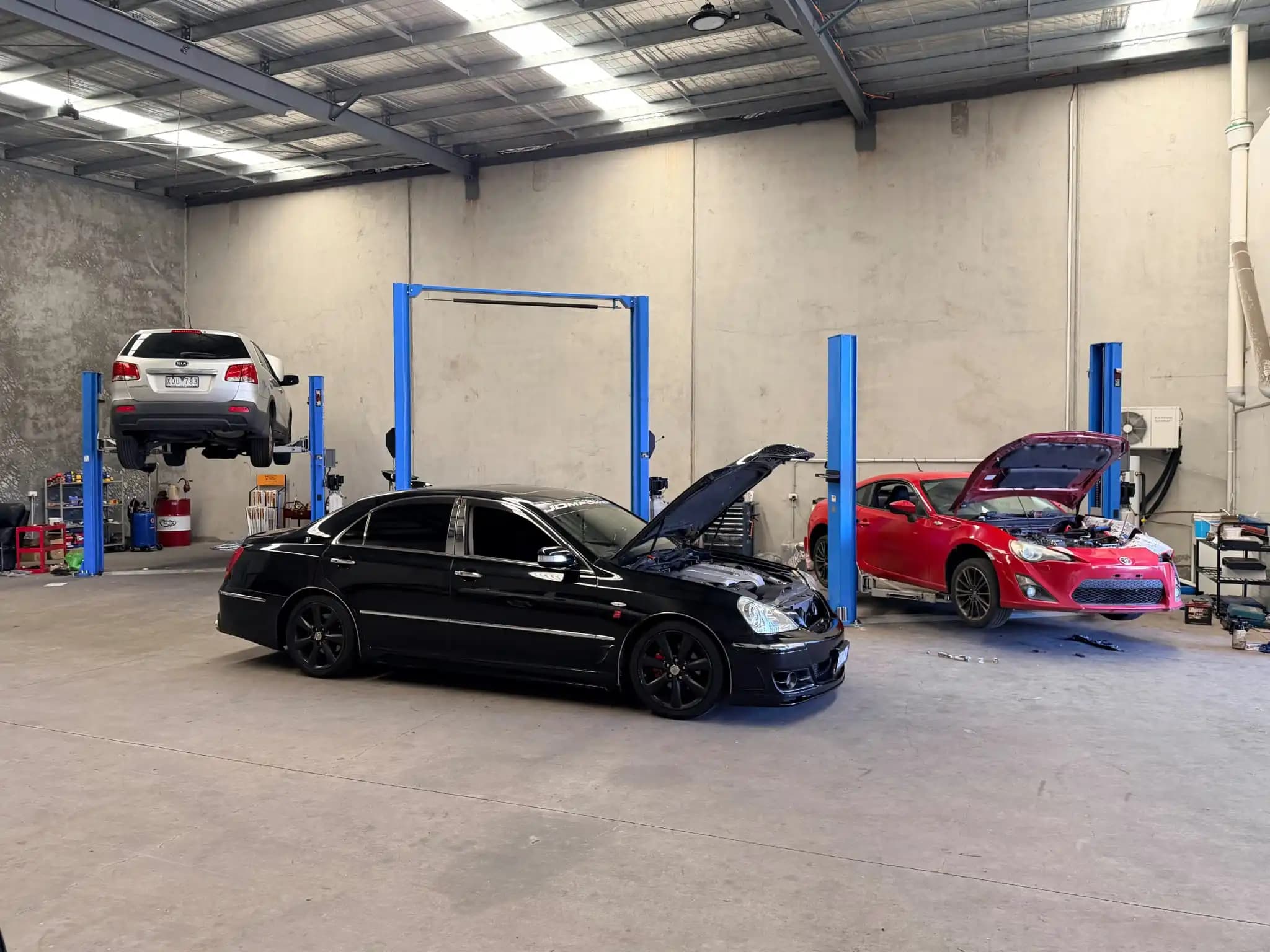
With the car in the workshop, the assessment goes well beyond the driveway:
- 01
Current faults and likely future concerns
- 02
Engine and gearbox condition, leaks and noises
- 03
Brakes, tyres, suspension and steering
- 04
Stored diagnostic fault codes
- 05
Signs of previous damage and repairs
- 06
Service history against the logbook
Gear 4
Using the report
The report gives you three good options: buy with confidence, negotiate on the evidence, or walk away. Book the inspection after you have agreed on a price in principle but before you hand over a deposit. If a seller refuses to let the car be inspected, treat that as your answer.