Keeping your car in good condition requires more than occasional oil changes or repairs when something goes wrong. Every vehicle has specific maintenance requirements that help its engine, brakes, cooling system and other components operate properly. Logbook servicing provides a structured approach to this maintenance by following the schedule and recommendations set by the vehicle manufacturer.
Many car owners delay scheduled servicing because their vehicle appears to be running normally. However, some mechanical problems develop gradually without producing noticeable symptoms. Logbook servicing also plays an important role in meeting manufacturer warranty requirements and supporting your car’s long-term reliability.
Short answer
Logbook servicing helps maintain vehicle performance, supports manufacturer warranty requirements, identifies developing mechanical problems, and keeps an accurate maintenance history. It also ensures that scheduled inspections and replacements are completed according to the manufacturer’s recommendations.
Gear 1
What Is Logbook Servicing?
Logbook servicing is a scheduled maintenance process carried out according to the vehicle manufacturer’s recommendations. These requirements are recorded in the vehicle’s service logbook or digital service system and outline when specific inspections, fluid changes and component replacements should take place.
Unlike a basic oil change, a logbook service follows a vehicle-specific maintenance schedule. The work depends on the car’s make, model, engine type, age and kilometres travelled. A newer vehicle may require different checks and maintenance intervals compared with an older model.
A typical logbook service may include:
- 01
Engine oil and oil filter replacement.
- 02
Inspection of brakes, tyres and suspension.
- 03
Checking coolant, brake fluid and other essential fluids.
- 04
Inspection of belts, hoses and engine components.
- 05
Battery condition and charging system checks.
- 06
Inspection of lights, wipers and other safety equipment.
- 07
Replacement of scheduled filters and other components.
Not every service includes all these tasks. The exact requirements depend on the manufacturer’s schedule and the vehicle’s current mileage and service history.
Gear 2
Importance of Logbook Servicing for Your Car
Following the recommended maintenance schedule helps keep different vehicle systems working as intended. It also allows mechanics to identify developing problems before they become more expensive or affect vehicle safety. Here are some important reasons to keep your logbook servicing up to date.
1. Helps Maintain Your Vehicle’s Performance
Regular servicing helps maintain the performance of important engine and vehicle components. Engine oil gradually becomes contaminated through normal operation, while filters collect dirt and other particles. If these items are not replaced according to the recommended schedule, they may become less effective at protecting the engine.
A logbook service ensures that maintenance tasks are completed at the intervals specified by the manufacturer. This helps maintain proper lubrication, airflow, and operation of different mechanical systems.
Depending on the vehicle’s requirements, servicing may involve:
- 01
Replacing old engine oil and filters.
- 02
Inspecting the air intake system.
- 03
Checking ignition and engine components.
- 04
Inspecting belts and hoses.
- 05
Checking fluid levels and condition.
2. Supports Your Manufacturer’s Warranty Requirements
Warranty protection is one of the main reasons many owners follow their vehicle’s logbook schedule. A manufacturer’s warranty generally includes conditions relating to maintenance, servicing intervals and the correct procedures for looking after the vehicle.
If scheduled maintenance is missed or carried out incorrectly, it may complicate a warranty claim where the failure is connected to neglected servicing or non-compliant repairs. Following the manufacturer’s requirements and maintaining accurate service records helps demonstrate that the vehicle has received the recommended maintenance.
It is also important to understand that Australian car owners generally do not have to use an authorised dealership for scheduled servicing to maintain their manufacturer warranty. A suitably qualified independent mechanic can perform logbook servicing, provided the work follows the manufacturer’s specifications and uses appropriate quality parts and fluids.
3. Helps Identify Mechanical Problems Early
Not every vehicle problem produces an immediate warning light or noticeable change in performance. Components such as brake pads, suspension parts, hoses and belts can gradually wear down through regular use. If these problems remain unnoticed, they may eventually affect other parts of the vehicle.
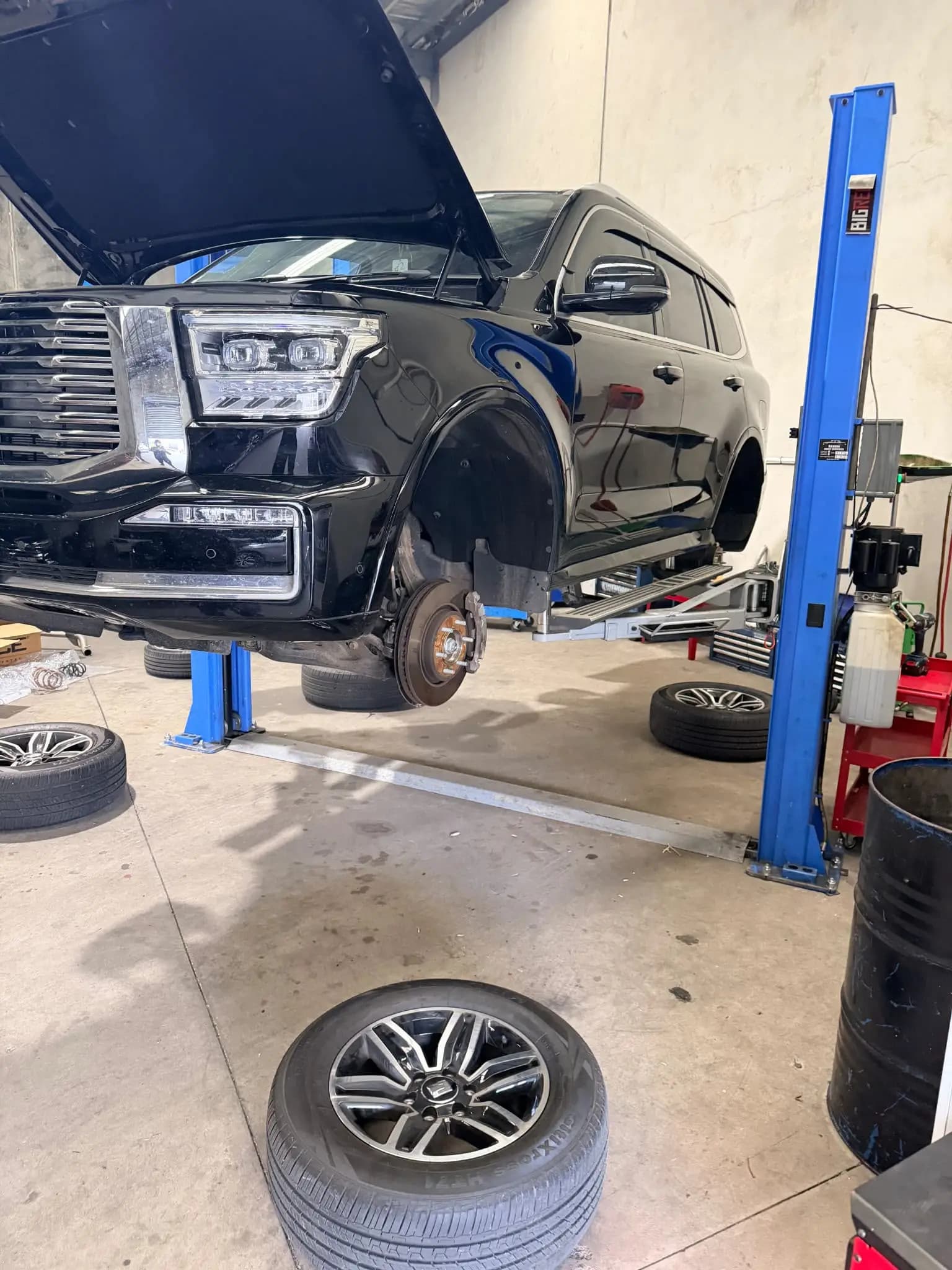
During a logbook service, a mechanic checks relevant components according to the manufacturer’s maintenance requirements. This creates an opportunity to identify signs of deterioration and recommend repairs before the condition becomes more serious.
For example, an inspection may reveal:
- 01
Worn brake pads that need replacement.
- 02
Cracked or deteriorating radiator hoses.
- 03
Uneven tyre wear caused by alignment or suspension issues.
- 04
Battery performance problems.
- 05
Fluid leaks around the engine.
4. Helps Maintain Vehicle Safety
Your car’s safety depends on several systems working correctly, including brakes, tyres, steering, suspension and lighting. Problems with these components can affect how the vehicle responds during everyday driving, particularly when braking, turning or travelling on uneven roads.
Logbook servicing includes inspections of relevant safety-related components at the intervals specified by the manufacturer. These checks help identify worn or damaged parts that may need attention.
Brake inspections are particularly important because worn pads, damaged discs or fluid-related problems can affect braking performance. Tyres also require attention because insufficient tread depth, incorrect pressure and uneven wear can reduce grip and handling.
5. Helps Prevent More Expensive Repairs
Small mechanical problems can become more complicated when they are left unattended. For example, old engine oil may provide less effective lubrication, while a small coolant leak can eventually lead to overheating if the fluid level continues to fall.
Scheduled maintenance helps mechanics identify these issues before they develop into more extensive repairs. It also ensures that components are replaced or inspected when required rather than waiting for them to fail.
6. Supports Better Fuel Efficiency
A vehicle’s fuel consumption depends on several factors, including engine condition, tyre pressure, driving habits, road conditions and vehicle load. Regular servicing helps maintain components that contribute to efficient engine operation.
For example, a severely restricted air filter can affect airflow into the engine, while incorrect tyre pressure can increase rolling resistance. Worn or poorly maintained components may also affect how efficiently the vehicle operates.
During scheduled servicing, mechanics can inspect relevant components and identify maintenance issues that may be affecting performance. Logbook servicing does not guarantee lower fuel consumption, but keeping your vehicle maintained according to its manufacturer’s requirements can help prevent avoidable inefficiencies.
7. Helps Maintain Resale Value
A complete service history can make a used vehicle more attractive to potential buyers. When someone considers purchasing a second-hand car, they often want evidence that the vehicle has received regular maintenance and that important servicing requirements have not been ignored.
A properly maintained logbook provides a record of previous services, including dates, kilometres travelled and work completed. This information gives potential buyers a clearer picture of the vehicle’s maintenance history.
Gear 3
How Often Should You Get a Logbook Service?
The correct servicing interval depends on your vehicle’s manufacturer, model, engine and driving conditions. Some vehicles require servicing every 12 months, while others may have different time or kilometre-based intervals.
Many manufacturers specify servicing based on whichever limit comes first. For example, a vehicle may require a service every 12 months or 15,000 kilometres, depending on which occurs earlier. This is only an example, as the correct interval varies between vehicles.
You can find your vehicle’s recommended schedule in:
- 01
The manufacturer’s service logbook.
- 02
The owner’s manual.
- 03
The vehicle manufacturer’s official digital service system.
- 04
Your previous service records.
If you regularly drive in heavy traffic, take short trips, tow heavy loads or operate in demanding conditions, check whether the manufacturer recommends additional maintenance.
Gear 4
What Happens If You Miss a Logbook Service?
Missing a scheduled service does not automatically mean your vehicle has developed a mechanical problem. However, delaying maintenance for too long can allow normal wear and developing faults to go unnoticed.
For example, overdue oil changes may affect lubrication, while neglected inspections can allow worn brakes, damaged hoses, or fluid leaks to remain undetected. The longer maintenance is delayed, the greater the possibility that a relatively straightforward issue will require more extensive attention.
If you have missed a scheduled service, consider these steps:
- 01
Check your last service date and the kilometres travelled since then.
- 02
Review the manufacturer’s recommended maintenance schedule.
- 03
Arrange a service with a suitably qualified mechanic.
- 04
Explain any warning lights, unusual noises or changes in performance.
- 05
Keep the new service records with your vehicle documents.
Gear 5
Can an Independent Mechanic Perform Logbook Servicing?
In Australia, you can generally choose an independent mechanic rather than returning to an authorised dealership for scheduled logbook servicing. Your manufacturer warranty does not automatically become invalid simply because an independent workshop performs the service.
However, the servicing must meet the relevant manufacturer requirements. The mechanic should follow the correct procedures, use appropriate quality parts and fluids, and complete the required inspections and replacements.
Before arranging a service, check that the workshop can access the maintenance information for your particular vehicle. You should also ask for an itemised invoice and confirmation that the relevant service records will be updated.
This gives you more flexibility when choosing a workshop while helping you maintain an accurate record of your vehicle’s servicing history.
Gear 6
What Is the Difference Between Logbook Servicing and General Car Servicing?
Logbook servicing follows the specific maintenance schedule provided by the vehicle manufacturer, while general servicing may involve a more limited range of inspections or repairs depending on the vehicle’s needs.
| Logbook servicing | General car servicing |
|---|---|
| Follows the manufacturer’s maintenance schedule. | Depends on the requested service and vehicle condition. |
| Includes scheduled inspections and replacements. | May focus on selected maintenance tasks. |
| Records completed work in the service history. | Records may vary depending on the workshop and work performed. |
| Uses vehicle-specific service requirements. | May involve general maintenance recommendations. |
Gear 7
How to Prepare Your Car for a Logbook Service
Preparing a few details before visiting a workshop can make the servicing process easier. Your mechanic will need information about the vehicle’s previous maintenance and any problems you have noticed since the last service.
Before your appointment, consider the following:
- 01
Bring your vehicle’s service logbook or provide access to its digital service records.
- 02
Note the current odometer reading.
- 03
Mention any dashboard warning lights.
- 04
Explain unusual noises, vibrations, or fluid leaks.
- 05
Tell the mechanic about any recent repairs.
- 06
Discuss any maintenance concerns you want inspected.
Gear 8
Conclusion
Following the manufacturer’s recommended schedule supports engine performance, helps identify mechanical problems early, and keeps important safety components in good condition. It also provides a consistent service history that may be useful when selling your vehicle.
Whether your car is relatively new or has been on the road for several years, regular maintenance should remain part of your ownership routine. Check your service logbook, keep track of kilometres travelled and arrange inspections when they are due.
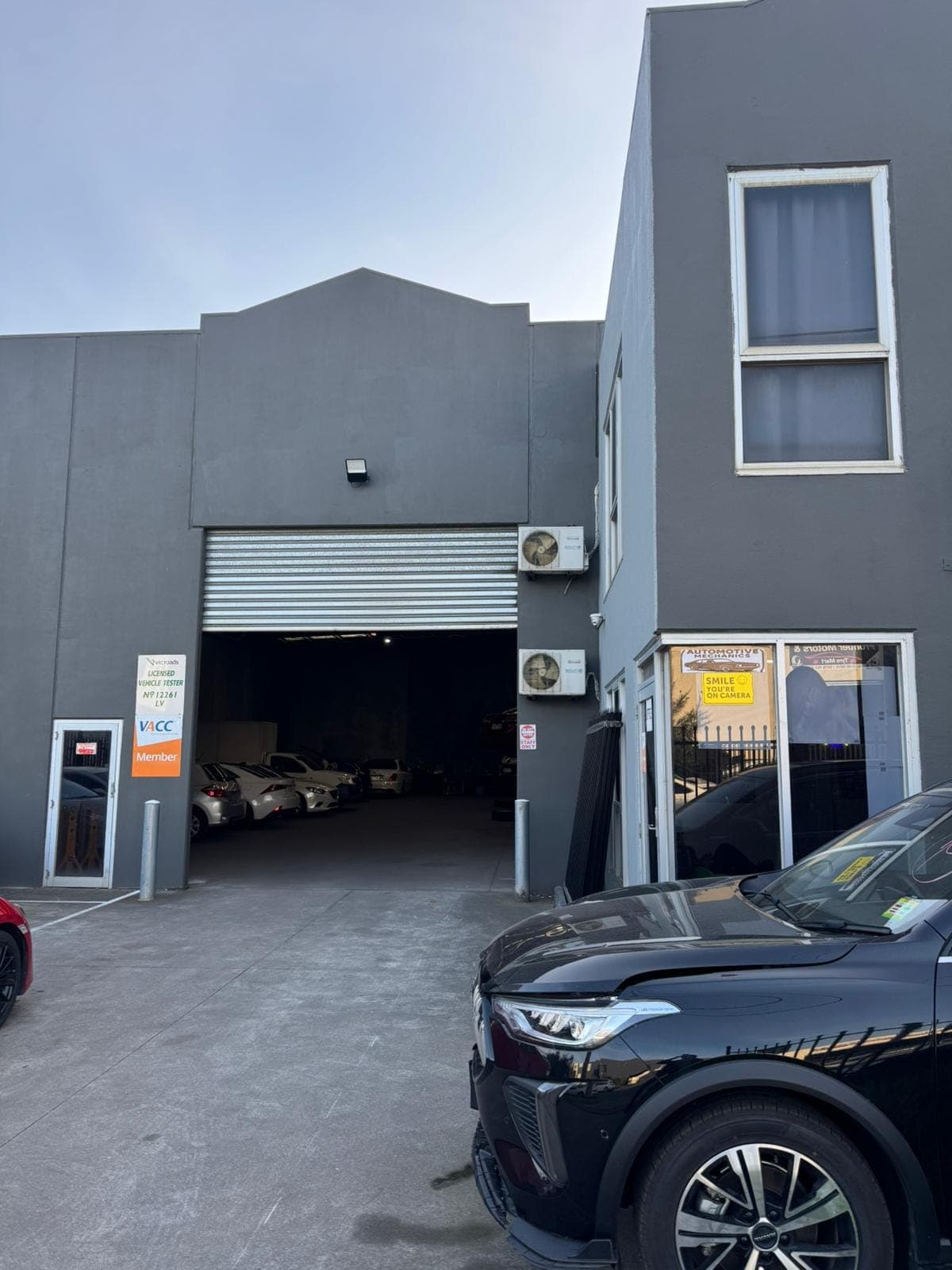
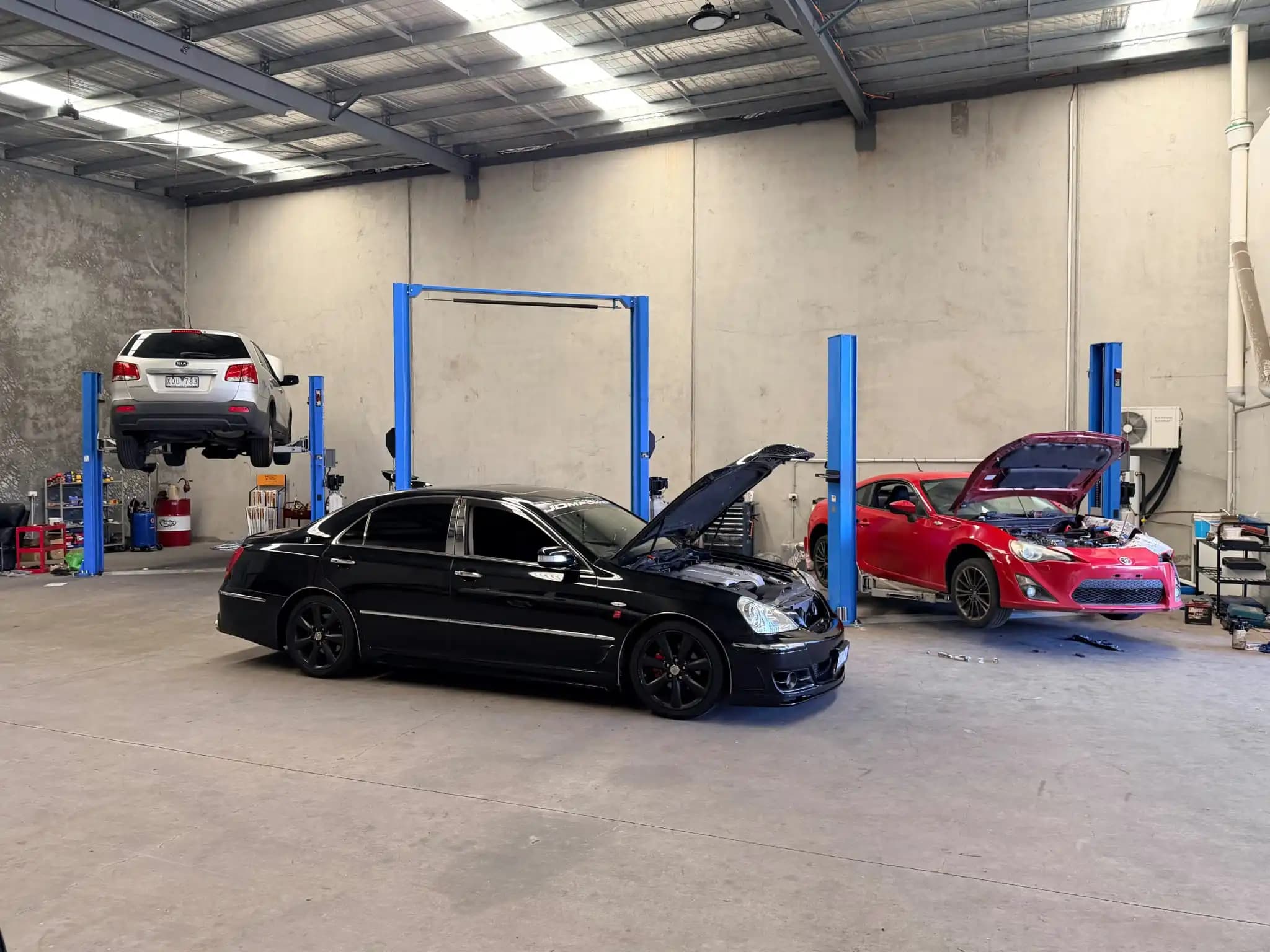
If your vehicle is approaching its next scheduled service, Rev N Shift Automotive in Sunshine North can assist with vehicle servicing and mechanical maintenance. Keeping up with the recommended schedule is a practical way to look after your car and address maintenance concerns before they become more serious.